Brownstone vs. Townhouse in Hoboken: Key Differences
November 21, 2025
November 21, 2025
Wondering if that classic Hoboken rowhouse is a brownstone or a townhouse? You are not alone. Listings often use both terms, which can make it hard to compare homes and plan your budget. In a few minutes, you will understand the core differences in architecture, ownership, maintenance, and flood resilience in Hoboken, plus get a handy buyer checklist. Let’s dive in.
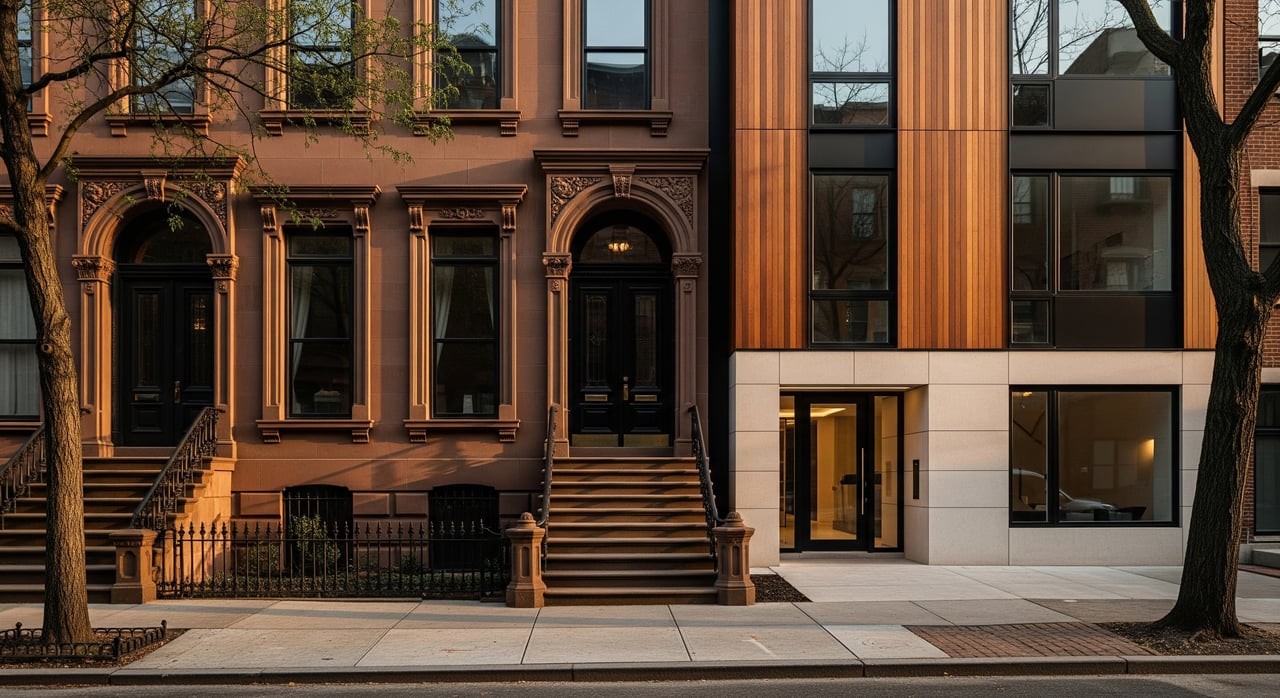
In Hoboken, a “brownstone” usually means a 19th-century rowhouse with a brownstone or brownstone-style facade, a raised stoop to a parlor floor, tall windows, and multiple stories. The word signals historic character as much as the original sandstone material.
“Townhouse” is a broader real estate term. It can describe a fee-simple, attached home on its own lot, a multi-unit building arranged as stacked homes, or even a townhouse-style condo. In Hoboken, you will see “townhouse” used for both historic rowhouses and newer infill.
Several Hoboken blocks are part of local historic districts. If a property sits in one of these areas, exterior work like facade changes, window replacements, or stoop repairs typically needs review by the city’s Historic Preservation Commission. This affects renovation scope, timing, and cost.
Historic brownstones in the region often sit on narrow lots. The interior light you feel will depend on lot width, rear exposure, and features like skylights. Newer townhouses are sometimes wider, which can change light and layout options.
Older brownstones typically have multiple flights and narrower staircases. Modern townhouses may offer wider stairs or elevator-ready designs. Think about day-to-day access, moving furniture, and future needs.
With fee-simple ownership, you hold title to the building and land. Many renovated Hoboken rowhouses are sold this way. You control maintenance and upgrades, which is great for customization, but you also take on all exterior upkeep and systems.
Some homes that look like townhouses are actually condo units. You own the interior of your unit and share responsibility for common elements through an association. This can spread the cost of exterior work but adds monthly dues and association rules.
A number of older Hoboken rowhouses are configured as two- or three-family properties. These bring different financing, inspection, and insurance considerations. Co-ops are less common than in some nearby markets but do exist in the region with distinct transfer and lending rules.
If the property is in a local historic district, exterior work visible from the street usually needs approval. This adds planning steps but helps maintain long-term neighborhood character and value. Interior work is generally less restricted.
Older buildings and multi-family homes can be more complex to finance. Lenders may require updates to electrical, heating, and structural elements. Hoboken contains low-lying areas with known flood risk. If a home is in a mapped flood zone, you may need flood insurance, and premiums depend on elevation and mitigation measures. Property taxes vary by property type and assessed value. Certain rehab projects may qualify for incentives in specific cases, so verify with local offices.
True brownstone is a softer, porous sandstone. It can weather, spall, or delaminate if water gets behind the surface. Proper maintenance focuses on water control and compatible materials. That often means careful repointing with appropriate mortar, selective patching or stone replacement, gentle cleaning methods, and attention to cornices, sills, and flashing. Using the wrong products or aggressive cleaning can speed up damage.
Brick facades also need periodic repointing and flashing repairs to handle water. Painted wood or other cladding demands repainting and vigilance against moisture. Maintenance needs vary based on prior workmanship and exposure.
Common updates in Hoboken rowhouses include replacing galvanized plumbing, addressing cast-iron sewer lines, modernizing electrical panels and wiring, and evaluating boilers and radiators. Many owners add central air or ductless systems. Old floor systems can require joist or subfloor work. Roofs are typically flat or low-slope, with parapet walls and cornices that need periodic attention.
Hoboken has seen flood impacts from coastal surge and heavy rainfall. Basement and garden levels are most exposed. Citywide resiliency investments are underway, but property-level steps remain key. Good practices include elevating mechanicals, using flood-resistant finishes on lower levels, adding backflow prevention, and managing drainage from roof to street. Finished basements may affect insurance and underwriting, so confirm details before you renovate.
Many buyers dream of roof decks, rear extensions, or facade restorations. In Hoboken, you should plan for structural review, zoning checks on lot coverage, and, if applicable, historic preservation review for anything visible from the street. Roof decks can change water runoff and often require permits and engineering. The best path is to collect past permits, review association documents if it is a condo, and confirm which approvals apply before you start design work.
Use this list when you are serious about a Hoboken brownstone or townhouse:
Historic masonry, cornices, and stoops can be specialty work that requires experienced trades. Timelines can lengthen if you need design review or commission approvals. The payoff is a home with enduring character and strong curb appeal. Plan your budget with periodic exterior work in mind and allow time for permits.
If you are deciding between a Hoboken brownstone and a townhouse, focus on how you will use the home day to day, what you want to maintain, and which ownership structure fits your plans. From there, line up the right inspections and confirm historic or flood-related requirements early. A clear plan up front saves time and surprises later.
Ready to compare real options and see off-market opportunities? Let’s talk about your wish list, renovation tolerance, and timing so you can move forward with confidence. Schedule a Consultation with the Sisti/Perello team at Hudson Place Realty.
Buying and selling real estate doesn't need to be unpleasant. We work hard on our buyers behalf, listening to their needs and leaving no stone unturned until they are settled in their dream home. Our goal is to guide you in making sound financial & lifestyle decisions on one of the most important purchases you will ever make. For sellers, we work to position your property to stand out from the rest with a comprehensive marketing and staging plan while navigating the process with you from pre-listing to closing. We hope our experience, eye for quality & many connections will help steer you through your real estate journey.